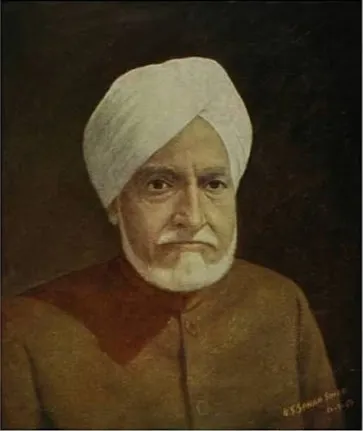
Dhani Ram Chatrik
Dhani Ram Chatrik was a visionary pioneer who profoundly shaped both the soul and the physical structure of modern Punjabi literature. Born on October 4, 1876, in the village of Pasian-wala, Sheikhupura (now in Pakistan), he was the son of a modest shopkeeper,...
1836
1954
Amritsar (Punjab, India)
ਜੀਵਨੀ
Dhani Ram Chatrik was a visionary pioneer who profoundly shaped both the soul and the physical structure of modern Punjabi literature. Born on October 4, 1876, in the village of Pasian-wala, Sheikhupura (now in Pakistan), he was the son of a modest shopkeeper, Pohu Lal. Seeking better opportunities, his family later relocated to Lopoke in Gurdaspur, where Chatrik completed his early education in local schools.
Though raised in a Hindu family, Chatrik’s creative trajectory changed forever after crossing paths with the towering Punjabi literary icon, Bhai Vir Singh. Deeply moved by this mentorship, Chatrik developed a profound admiration for the Sikh faith and the beauty of the Gurmukhi script. He made a conscious shift away from the era's conventional, rigid mythological poetry, choosing instead to compose secular, accessible verses that resonated deeply with the common people.
A Technological Revolution for the Language: Chatrik’s most unique contribution to Punjabi literature wasn't written—it was engineered. Recognizing that the language lacked the infrastructure to thrive in a modern world, he traveled to Bombay to study typography. There, he successfully developed and standardized the Gurmukhi metal typeset for commercial printing presses, single-handedly fueling the boom of vernacular printing in the early twentieth century.
Driven by a desire to uplift his mother tongue, Chatrik turned to institutional leadership by founding the Punjabi Sahit Sabha in 1926, serving as its President to actively promote and preserve the language.
He was equally prolific as a creative voice. His celebrated poetry collections—including Fullan Di Tokri (1904), Chandanwari (1931), Kesar Kiari (1940), and Nawan Jahan (1942)—remain legendary for their vibrant, realistic depictions of the changing seasons and rustic rhythms of the Punjabi countryside. Chatrik passed away in Amritsar on December 18, 1954, leaving behind a culture forever transformed by both his poetic eye and his printing typesets.
ਇੱਕ ਨਜ਼ਰ ਵਿੱਚ
- ਸੰਭਾਲੀਆਂ ਰਚਨਾਵਾਂ
- 0 ਗ੍ਰੰਥ
ਪ੍ਰਕਾਸ਼ਿਤ ਰਚਨਾਵਾਂ
ਇਸ ਲੇਖਕ ਲਈ ਅਜੇ ਕੋਈ ਪ੍ਰਕਾਸ਼ਿਤ ਰਚਨਾ ਸੰਭਾਲੀ ਨਹੀਂ ਗਈ।